French 6
3rd year French

3rd year French

1
Hello, how are you ?
Bonjour, comment allez-vous ?

2
I'm doing well (it goes well) and you ?
Ça va bien, et vous?
3
Well, thank you.
Bien, merci.
4
What is your name (what are you called) ?
Comment vous vous appelez ?
5
My name is (I'm called) Nicolas Root
Je m'appelle Nicolas Root
6
My name is (I'm called) Pierre Renaud.
Je m'appelle Pierre Renaud
1
What do you like to do?
Qu'est-ce que tu aimes faire?
2
I like to eat.
J'aime manger
3
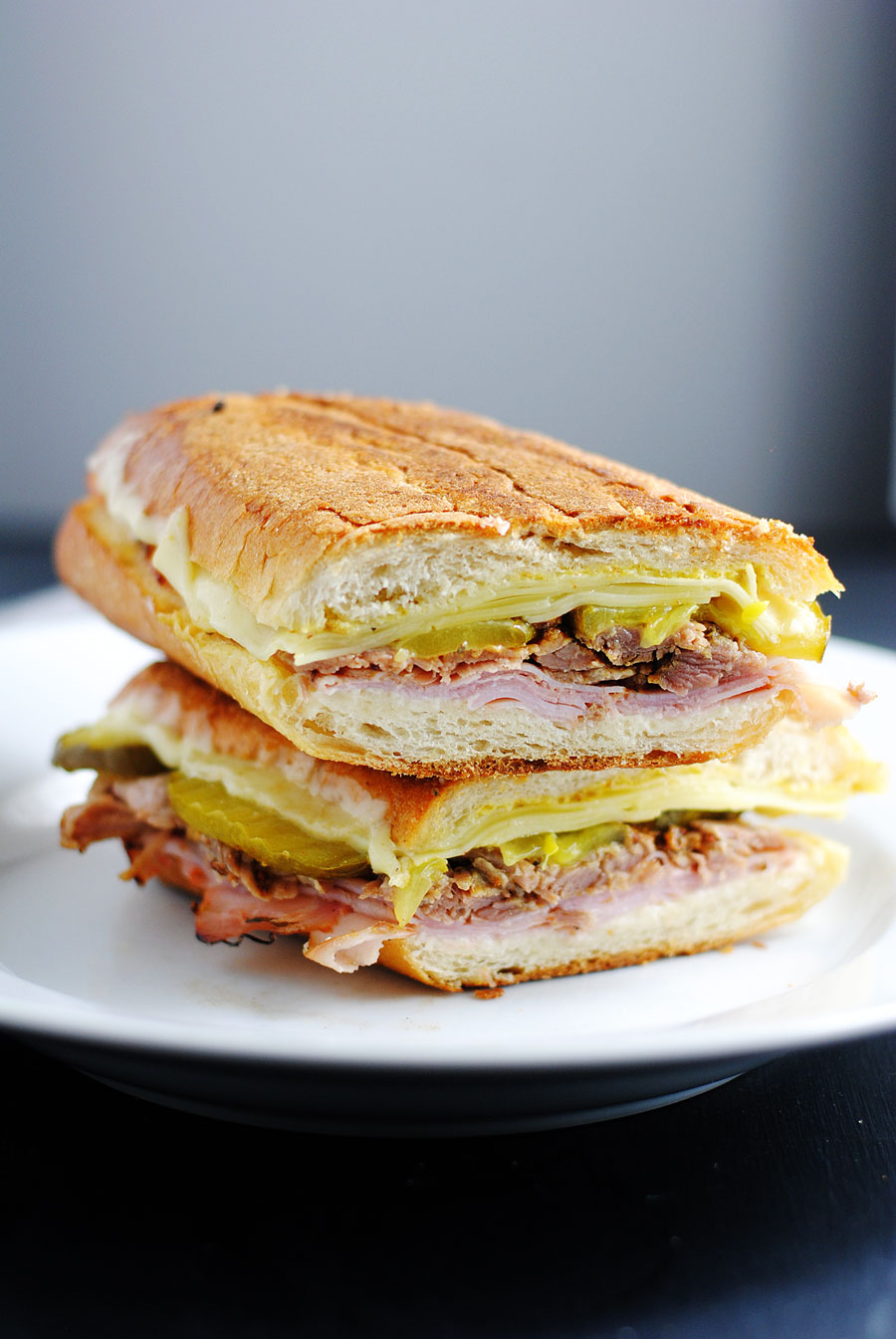
What do you call this sandwich?
Comment tu appelles ce sandwich?
4
It's a cuban sandwich.
C'est un sandwich de Cuba.
5
Do you eat it often?
Est-ce que tu le manges souvent ?
6
Yes, pretty often.
Oui, assez souvent.
1
I like this director.
J'aime ce metteur-en-scène.
2
Do you like this director ?
Est-ce que tu aimes ce metteur-en-scène ?
3
I like to go to the movies.
J'aime aller au cinéma.
4
Do you like to go to the movies ?
Est-ce que tu aimes aller au cinéma ?
1
What type of movies do you like ?
Quels genres de films est-ce que tu aimes ?
2
I like action movies.
J'aime les films d'actions.
3
Do you like fantasy movies ?
Est-ce que tu aimes le cinéma fantastique ?
4
Yes, but we prefer mysteries.
Oui, mais nous préférons les films à suspense.

1
Where do you live ?
Où est-ce que tu habites ?
2
I live in the city of New York.
J'habite dans la ville de New York.
3
Do you like New York city ?
Est-ce que tu aimes la ville de New York ?
4
Yes, it's interesting.
Oui, c'est intéressant.
5
Where is New York city ?
Où est la ville de New York ?
6
It's in the east of the United States.
C'est dans l'est des États-Unis .
1
Name the first three things we learned in this unit.
1. saying hello 2. saying your name. 3. saying what you like to do
2
Name the next three things we learned in this unit.
4. saying what directors you like 5. saying what type of movies you like. 6. saying where you live

1
You are small.
Tu es petit.
2
You are small but energetic.
Tu es petit mais énergique.
3
You are small but energetic. I like your personality.
Tu es petit mais énergique. J'aime ta personalité.
4
I am big.
Je suis grand.
5
I am rather big.
Je suis assez grand.
6
... but not to play basketball (professional).
... mais pas pour jouer le basket.

1
He has a long nose…
Il a un nez long ...
2
… but it's not bad ( disagreable ).
... mais ce n'est pas désagréable.
3
She has a nice eyes.
Elle a de beaux yeux.
4
They are brown.
Ils sont marron.
5
We have long hair.
Nous avons les cheveux longs.
6
But you have short hair.
Mais toi tu as les cheveux courts.

1
I prefer vegetables.
Je préfère des légumes.
2
I live in the Bronx.
J'habite au Bronx.
3
What is there to do ?
Qu'est-ce qu'il y a à faire ?
4
I'm not bored here.
Je ne m'ennuie pas ici.
5
I'm bored here.
Je m'ennuie ici.
1
I find there is discrimination.
Je trouve qu'il y a de la discrimination.
2
I find that's bad.
Je trouve que c'est mauvais.
3
I agree.
Je suis d'accord.
4
What can we do ?
Qu'est-ce qu'on peut faire?
5
We can find solutions.
On peut trouver des solutions.
1
a. How can one compare the situation ?
Comment est-ce qu’on peut comparer la situation ?
2
b. France also has forms of discrimination
La france aussi a des formes de discrimination.
3
a. How can we improve things?
Comment est-ce qu'on peut améliorer les choses?
4
b. First of all, one has to concentrate on one’s studies.
D'abord, il faut bien se concentrer sur ses études.
5
b. First of all, one has to concentrate on one’s studies.
D'abord, il faut bien se concentrer sur ses études.
6
a. Is that all ?
C’est tout ?
7
b. No, one has to always read and stay informed
Non, il faut toujours lire et s’informer.
8
a. How should one read ?
Comment est-ce qu’il faut lire ?
9
b. One should read with a critical eye
Il faut lire avec l'œil critique.
10
a. How can you do that ?
Comment est-ce qu’on peut faire ça?
11
a. One can take notes next to what one reads.
On peut faire des notes à côté de ce qu’on lit.
12
2ND PART BELOW
2ND PART BELOW
1
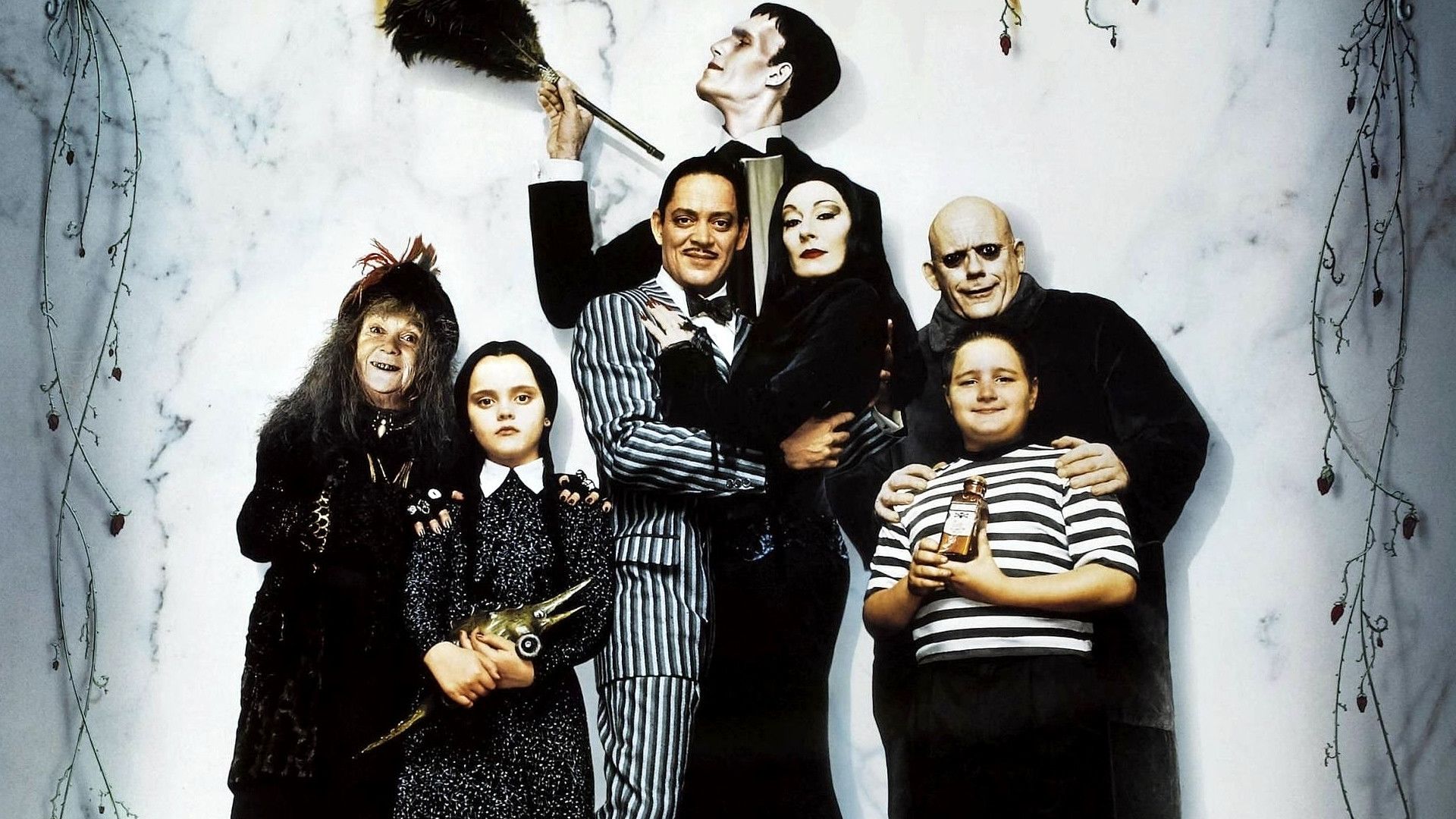
My mother is eating a sandwich.
Ma mère mange un sandwich.
2
My father prefers pizza.
Mon père préfère un pizza.
3
My brother thinks that it's good.
Mon frère pense que c'est bon.
4
My sister found her book
Ma soeur a trouvé son livre.
5
My sister found her book
Ma soeur a trouvé son livre.
1
Est-ce que nous voulons manger ?
Do we want to eat ?
2
Yes, we want to eat.
Oui, nous voulons manger.
3
What do you want to do?
Qu'est-ce que tu veux faire?
4
I want to eat.
Je veux manger.
5
What do you want to do?
Qu'est-ce que tu veux faire?
6
I want to study.
Je veux étudier.
7
Do they want to study?
Est-ce qu'ils veulent étudier?
8
Yes, they want to study.
Oui, ils veulent étudier.
1
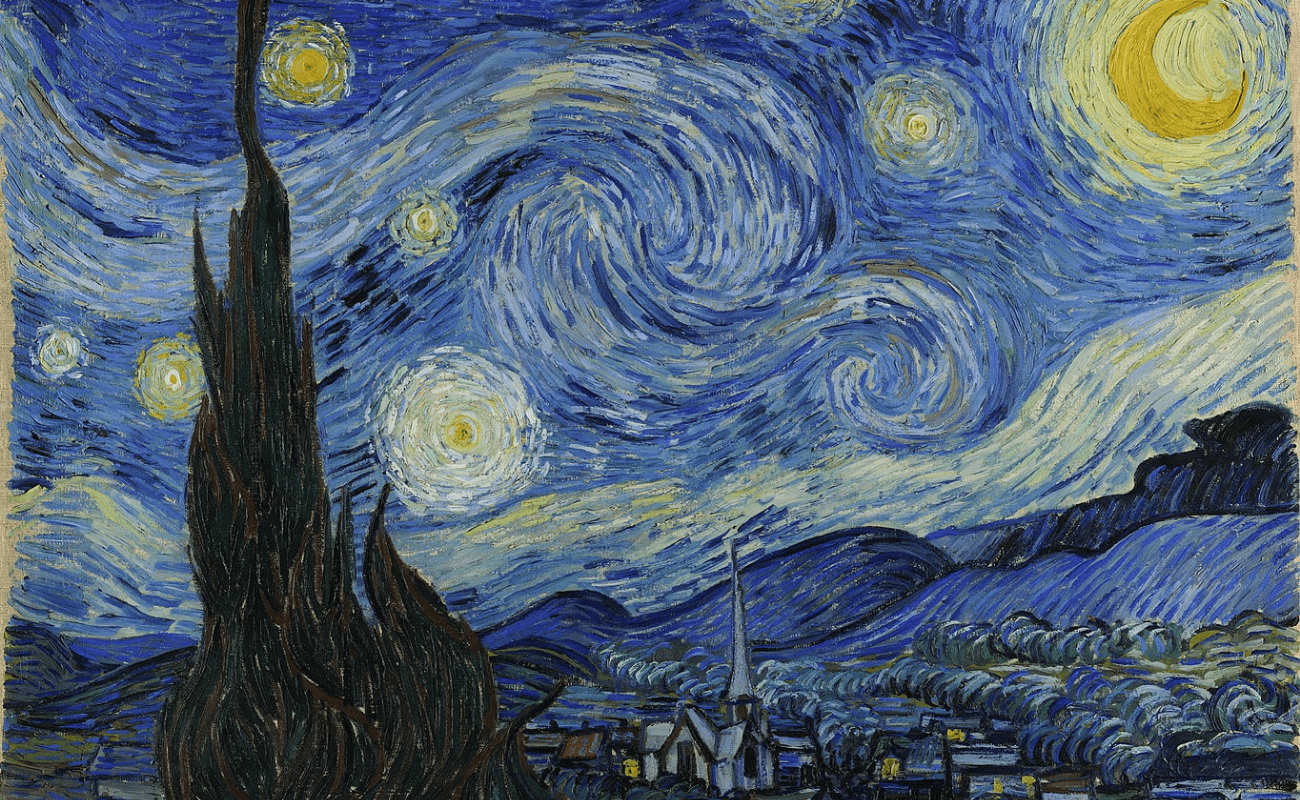
In the morning, I wake up and I wash myself.
Le matin, je me lève et je me lave.
2
You get dressed and you hurry to go to school
Tu t'habilles et tu te dépêches pour aller à l’école.
3
We walked a little after school.
On s’est promené un peu après l’école.
4
I finally went to bed after a long day.
Je me suis finalement couché après une longue journée.

1
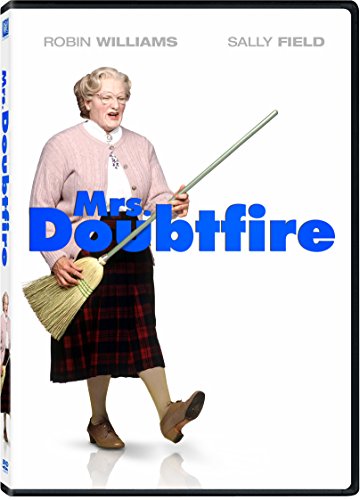
Sometimes I do the housework.
Parfois je fais le ménage.
2
Sometimes ,on the weekend, he does the housework.
Parfois, le weekend, il fait la cuisine.
3
Sometimes we just do the cooking.
Parfois nous faisons juste la cuisine.
4
Sometimes she does the cooking and the housework.
Parfois elle fait la cuisine et le ménage.
1
I have to (It has to be that ...)
Il faut que
2
I have to do
Il faut que je fasse
3
I have to do the housework.
Il faut que je fasse le ménage.
4
I need to
J'ai besoin de
5
I need to do
J'ai besoin de faire
6
I need to do the cooking.
J'ai besoin de faire la cuisine.